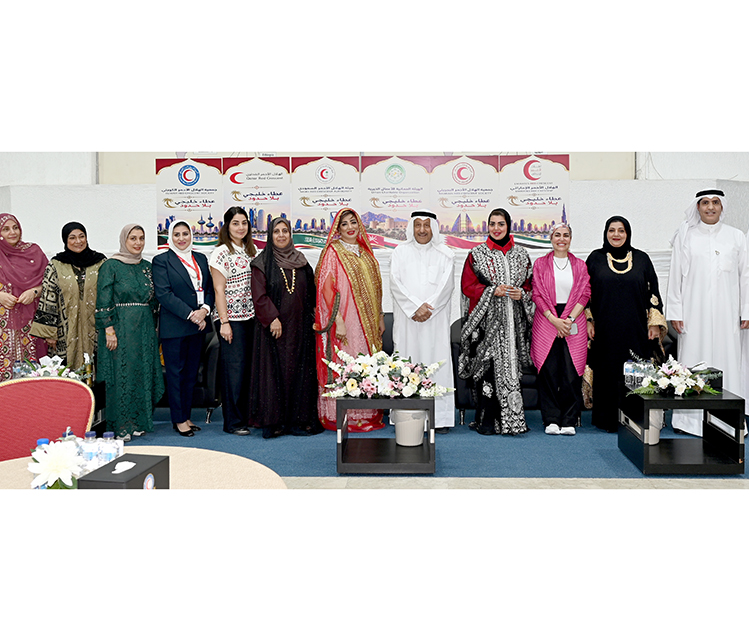
Gulf Red Crescent societies and organizations form an integrated humanitarian system committed to strengthening relief operations and expanding assistance to communities affected by crises and disasters worldwide, Kuwait Red Crescent Society (KRCS) Chairman Khaled Al-Mughamis said on Wednesday. Speaking to KUNA ahead of Gulf Red Crescent Day, observed annually on October 23 under the slogan “Gulf Giving Without Borders,” Al-Mughamis said the occasion reflected the shared values of solidarity, mutual support and generosity among Gulf Cooperation Council (GCC) countries.
He said the annual observance highlighted the role of Gulf humanitarian institutions in assisting people affected by emergencies and promoting volunteer work, while recognizing the contributions of humanitarian workers and volunteers across the region. To mark the occasion, the KRCS organized an event featuring dedicated pavilions for each Gulf country, showcasing the achievements and activities of their Red Crescent societies and organizations through photographs, artwork and documentaries highlighting their relief and humanitarian efforts.
The event also featured live drawing demonstrations by professional artists in cooperation with the Kuwaiti Artists and Media Professionals Association, adding an artistic dimension to the celebration and promoting Gulf identity and humanitarian cooperation. Al-Mughamis said the work of Gulf Red Crescent organizations extended beyond emergency relief to include the delivery of essential supplies, healthcare services for affected communities, and development and awareness programs aimed at strengthening resilience and supporting recovery after crises.
He stressed the need to further develop coordination mechanisms among Gulf humanitarian organizations and expand the exchange of expertise and successful practices in disaster response, international relief and social services. Stronger cooperation would improve the effectiveness of humanitarian interventions and help pool resources and capabilities to address growing humanitarian challenges around the world, he added. Al-Mughamis noted that GCC countries had given considerable attention to humanitarian, charitable and volunteer work through initiatives and decisions designed to improve the performance of humanitarian institutions and encourage greater youth participation.
These efforts had helped promote a culture of giving and expand the regional and international presence of Gulf humanitarian organizations in relief and development activities, he said. Describing volunteers as a cornerstone of Gulf humanitarian work, Al-Mughamis highlighted their contribution to field operations and humanitarian initiatives. He emphasized the importance of investing in young people through training and skills development to sustain volunteer work and strengthen its capacity to respond to evolving humanitarian needs. He said Gulf Red Crescent Day also commemorated the first meeting of Gulf Red Crescent societies, held in Abu Dhabi in 1984, which marked an important milestone in developing joint humanitarian cooperation among GCC countries.